Unlimited eSIM
United Kingdom

EE UK TEST
Duration
30 Days
Plan
Data/Calls/SMS
Price
US$53.50
More Info
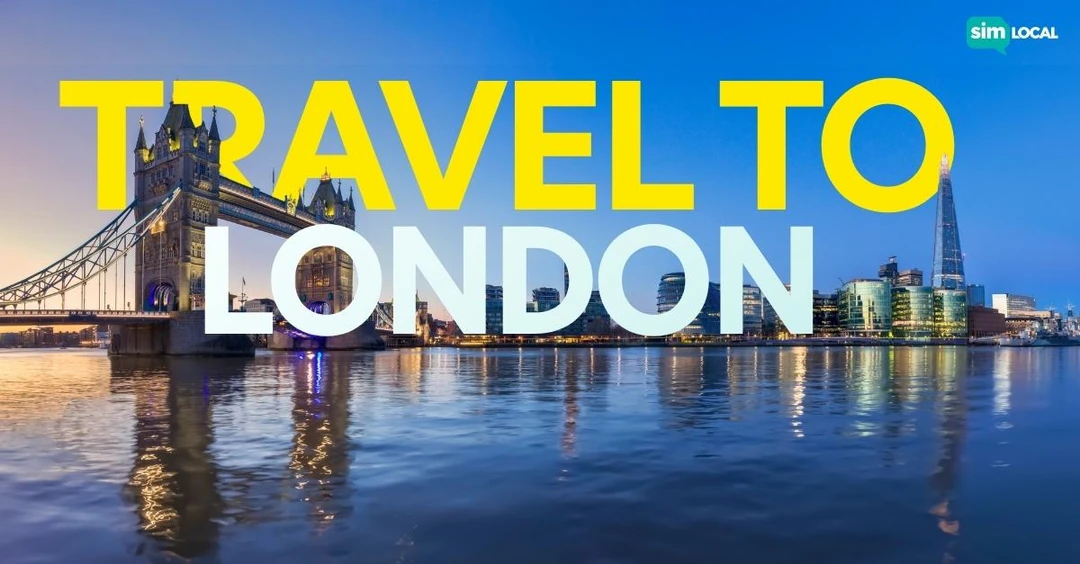
There's no single wrong time to visit London; it's a city that works in the rain as much as in the sun, with enough indoor culture to fill a wet week and enough parks to fill a sunny one. But when you go changes a lot about what the trip actually feels like: what you'll pay, how busy the Tube and the big attractions are, and which events line up with your dates. Get to know the best tips to travel to the UK.
Here's how London's seasons actually compare and which months are worth building a trip around.
London has a temperate oceanic climate: mild, cloudy, and rainy for most of the year, without the extremes of a continental climate. Rainfall is fairly evenly spread across the year rather than concentrated in a "wet season," expecting roughly 690mm annually, with March the driest month (around 48mm) and November the wettest (around 68mm). In practice, that means it's worth packing a compact umbrella whichever month you visit.
Temperatures climb steadily through spring, from around 6-12°C in March to 13-18°C by May. It's a good shoulder season: parks are in bloom, crowds are lighter than summer, and prices haven't hit their peak yet. The RHS Chelsea Flower Show usually runs in late May, and the London Marathon takes over the streets in April if you want to catch (or avoid) the road closures.
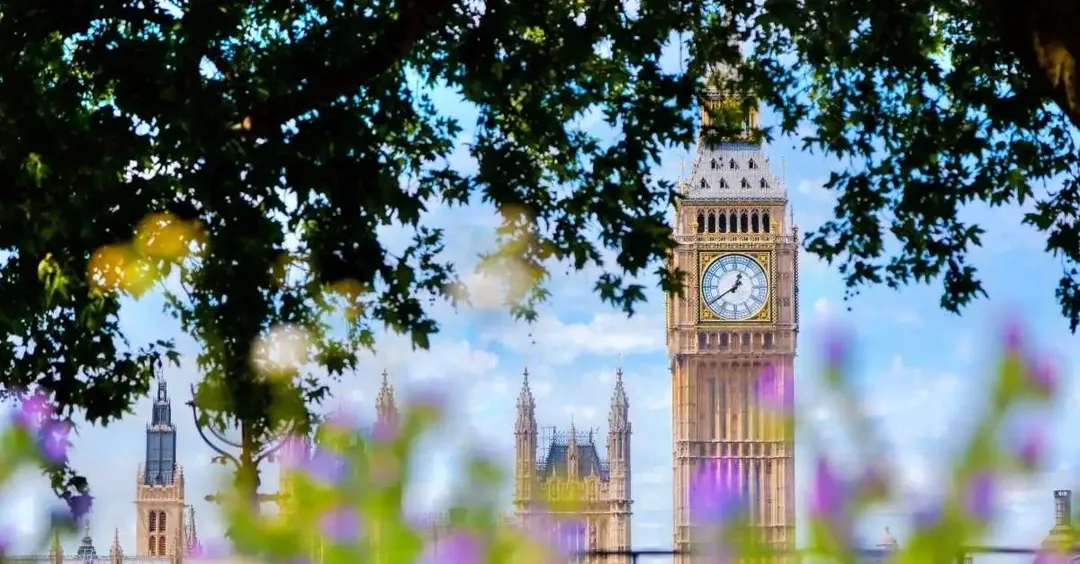
This is peak season, and the weather backs it up: daytime highs typically reach 23-24°C in July and August, with long daylight hours that make evenings in beer gardens and parks part of the experience. It's also when the big-ticket events land. Wimbledon usually runs from late June into early July, and Notting Hill Carnival takes over west London on the August bank holiday weekend. Expect the busiest crowds and highest prices of the year, especially for flights and hotels booked late.
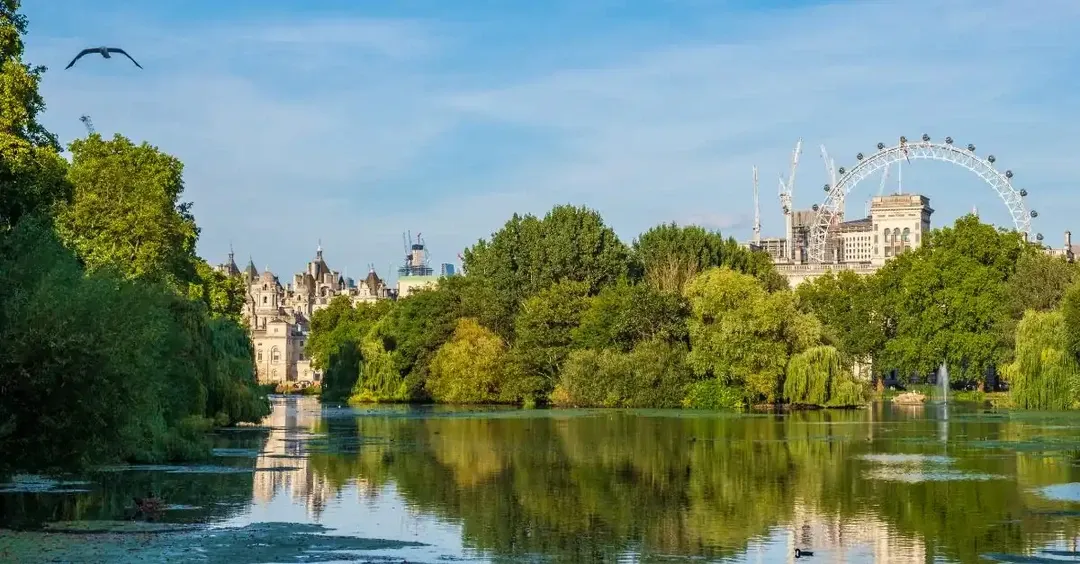
May and June generally offer the best balance of mild weather, long days, and manageable prices before the summer peak fully hits. September is a close second if you want similar weather with fewer crowds.
Temperatures range from around 5-6°C in the depths of winter (January) up to 23-24°C in high summer (July and August), with spring and autumn sitting in between. Rain is possible in any month, so it's less about avoiding rain entirely and more about picking the temperature range and crowd level you want.
June, July, and August, plus December in the run-up to Christmas. These months bring the best weather and biggest events but also the highest prices and busiest attractions.
Best time to travel to LondonRelease 26-Q3-3
Read MoreSummer in Londonfsfdsfdsfsdf
Read More China-Japan travel warning: what it means for your trip 1111
If you've seen headlines about China warning its citizens against travelling to Japan, here's the short version: it's a real, ongoing diplomatic dispute, not a broader safety ...
Read More